ACL Tear (Anterior Cruciate Ligament Injury)
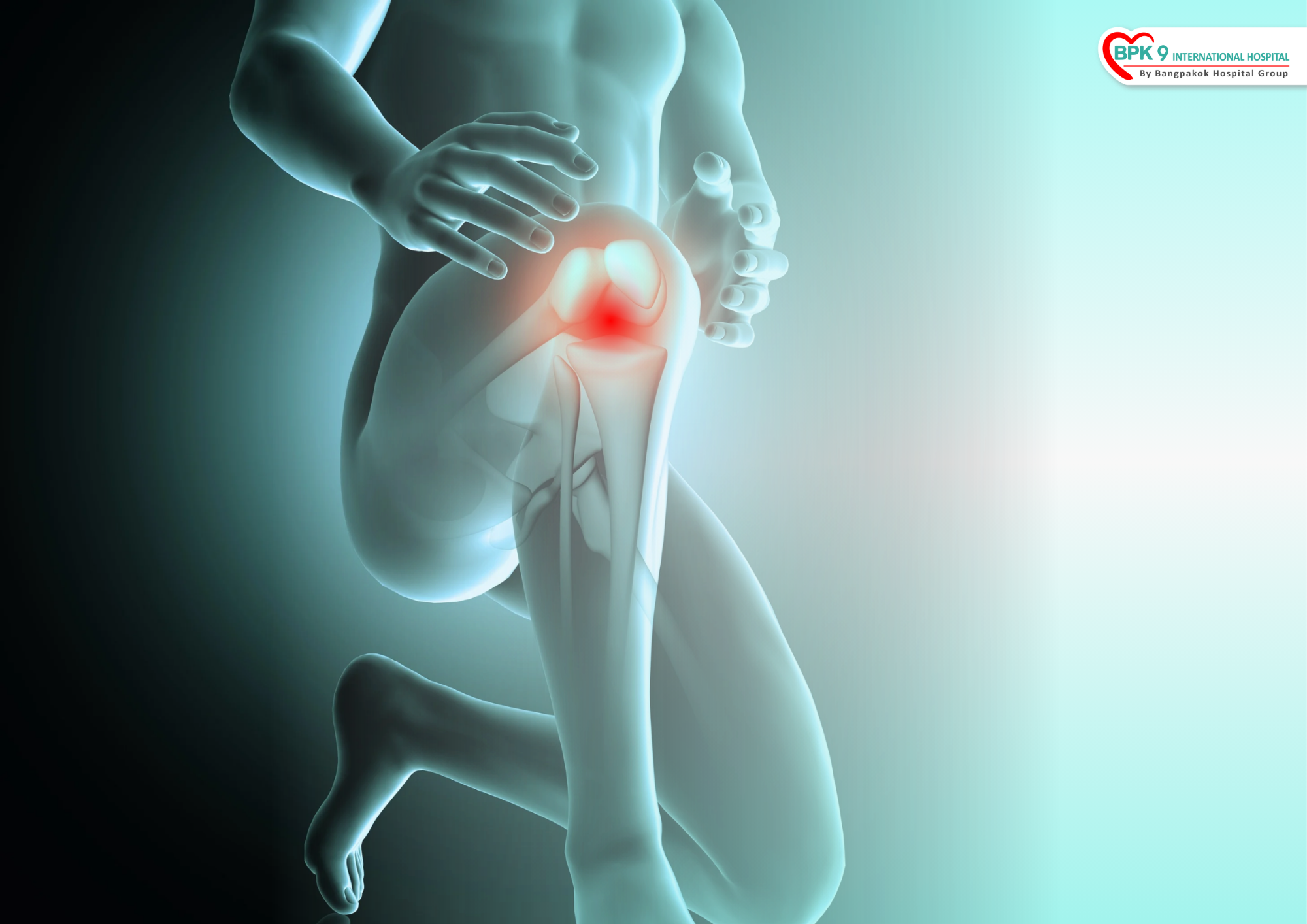
Comprehensive Diagnosis, Advanced Treatment & Complete Rehabilitation
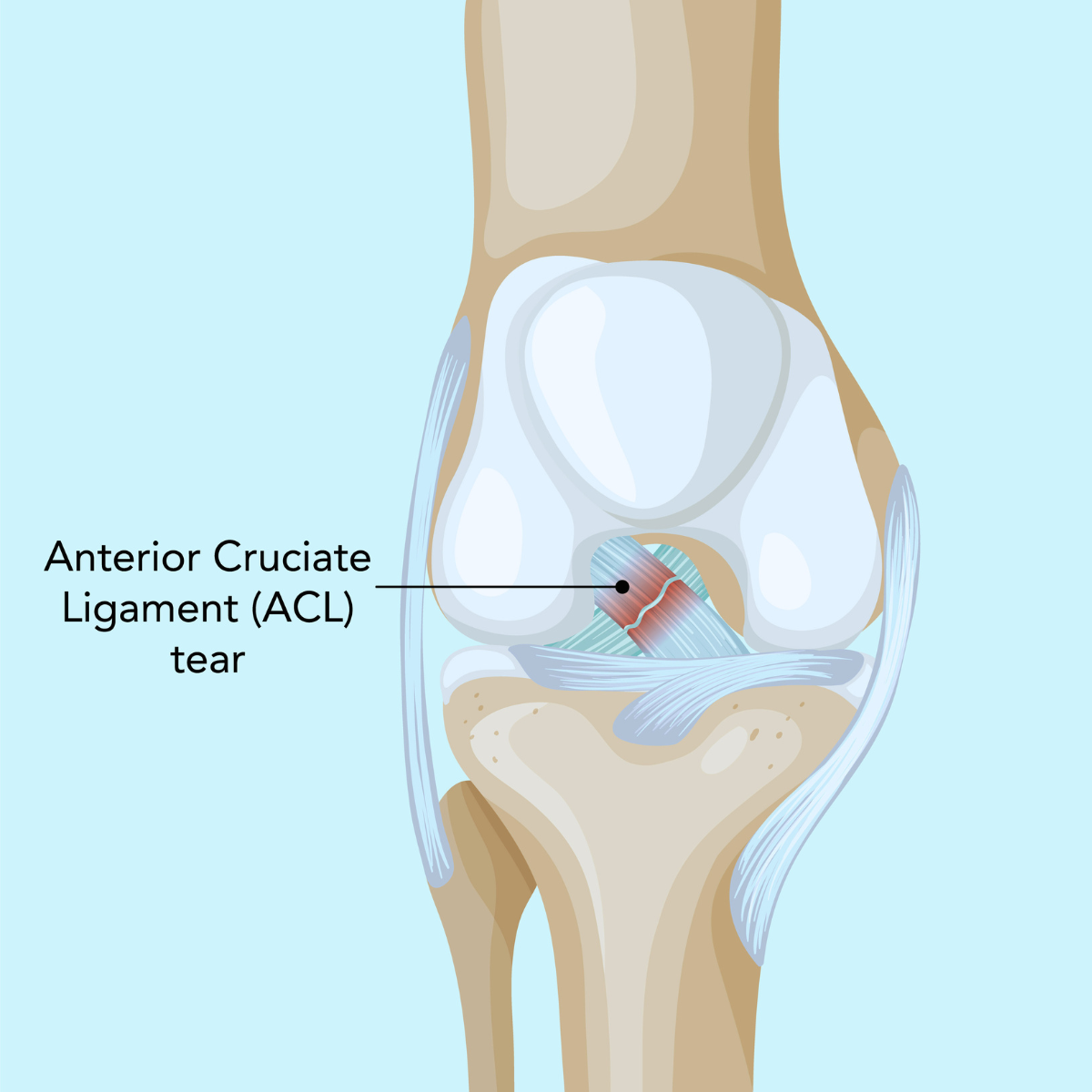
An Anterior Cruciate Ligament (ACL) tear is one of the most significant and frequently encountered knee injuries in modern orthopedics and sports medicine. It affects athletes, active adults, and even individuals involved in routine physical activities.
The ACL is one of the four primary ligaments of the knee. Located centrally within the joint, it connects the femur (thigh bone) to the tibia (shin bone) and plays a critical role in:
- Maintaining knee stability
- Controlling rotational movements
- Preventing forward displacement of the tibia
- Supporting sudden directional changes
When this ligament is torn, the stability of the knee is compromised, often making daily movement and especially sports difficult or impossible.
Causes of ACL Injury
ACL tears most commonly occur due to non-contact mechanisms, although contact injuries are also possible.
Non-Contact Causes (Most Common)
- Sudden pivoting or cutting movement
- Abrupt deceleration while running
- Improper landing from a jump
- Rapid change in direction
- Twisting motion with the foot planted
Contact Causes
- Direct collision to the knee
- Sports tackles or high-impact trauma
- Road traffic accidents
Sports frequently associated with ACL injuries include football, basketball, badminton, volleyball, skiing, martial arts, and athletics.
Risk Factors
Several factors increase susceptibility to ACL injury:
- High-intensity sports participation
- Poor neuromuscular control
- Inadequate warm-up or conditioning
- Previous knee injuries
- Muscle imbalance (quadriceps–hamstring imbalance)
- Anatomical variations
Early identification of risk factors plays an important role in prevention.
Symptoms of an ACL Tear
Patients often describe a very characteristic experience at the time of injury:
- A sudden “popping” sound or sensation
- Immediate swelling (within hours)
- Severe pain at the time of injury
- Knee instability or “giving way”
- Difficulty bearing weight
- Reduced range of motion
In some cases, patients may continue activity initially but later experience repeated episodes of knee instability.
Ignoring these symptoms may lead to:
- Meniscus tears
- Cartilage damage
- Chronic instability
- Early-onset osteoarthritis
Diagnosis at BPK9 International Hospital
Accurate diagnosis is essential for effective treatment planning.
Our orthopedic specialists perform:
- Detailed Clinical Evaluation
- Injury history assessment
- Physical examination
- Stability tests such as the Lachman test and Pivot Shift test
- Advanced Imaging
- MRI scan to confirm ligament tear
- Assessment of associated injuries (meniscus, cartilage, other ligaments)
- X-ray to rule out fractures
Our diagnostic approach ensures a comprehensive assessment before treatment decisions are made.
Treatment Options
Treatment depends on:
- Severity of tear (partial or complete)
- Patient’s age
- Activity level
- Degree of instability
- Associated injuries
Non-Surgical Management
Suitable for:
- Partial ACL tears
- Patients with low physical demands
- Individuals without instability symptoms
This includes:
- Knee bracing
- Structured physiotherapy
- Muscle strengthening
- Stability and balance training
However, non-surgical management may not be ideal for young, active individuals or athletes.
Surgical Treatment – Arthroscopic ACL Reconstruction
For complete tears or functionally unstable knees, ACL reconstruction surgery is often recommended.
What is ACL Reconstruction?
It is a minimally invasive arthroscopic procedure where:
- The torn ACL is removed
- A graft (hamstring tendon, patellar tendon, or quadriceps tendon) is used to reconstruct the ligament
- The graft is securely fixed to restore knee stability
Advantages of Arthroscopic Technique
- Smaller incisions
- Less post-operative pain
- Reduced risk of infection
- Faster recovery
- Minimal scarring
- Shorter hospital stay
At BPK9 International Hospital, procedures are performed using advanced arthroscopic technology and internationally recognized surgical protocols.
Post-Surgical Rehabilitation & Recovery Timeline
Successful recovery depends heavily on structured rehabilitation.
Phase 1 (0–2 Weeks)
- Pain and swelling control
- Gentle range of motion exercises
- Early weight-bearing (as advised)
Phase 2 (3–6 Weeks)
- Progressive strengthening
- Quadriceps activation
- Gait training
Phase 3 (6 Weeks–3 Months)
- Advanced strengthening
- Balance and neuromuscular training
Phase 4 (3–6 Months)
- Sport-specific conditioning
- Agility and functional drills
Return to Sports
Typically between 6–9 months, depending on recovery progress and medical clearance. Commitment to rehabilitation significantly reduces re-injury risk.
Potential Complications if Untreated
An untreated ACL tear can result in:
- Recurrent knee instability
- Secondary meniscus tears
- Progressive cartilage damage
- Chronic pain
- Early degenerative arthritis
Early specialist evaluation is strongly recommended to prevent long-term joint deterioration.
Prevention Strategies
Preventive measures include:
- Proper warm-up and conditioning
- Strengthening of hamstrings and core muscles
- Neuromuscular training programs
- Correct landing and pivoting techniques
- Wearing appropriate footwear
Sports injury prevention programs have shown significant reduction in ACL injury rates.
Why Choose BPK9 International Hospital?
Our Orthopedic & Sports Medicine Department provides:
- Experienced orthopedic surgeons
- Advanced arthroscopic surgical facilities
- Comprehensive diagnostic services
- Personalized treatment plans
- Dedicated physiotherapy and rehabilitation team
- Patient-centered, evidence-based care
Heart of Care Essential Care for You
